Introduction
While 2025 was defined by incredible disruption with tariffs and AI’s introduction to the ecommerce landscape, 2026 is shaping up to be much more stable and predictable. However, the era of easy double-digit growth on Amazon is a thing of the past.
This comes after Q4 2025 and Q1 2026 performance data confirmed Amazon’s rapid growth in AWS, international markets, and advertising while growth in retail and 3P sales have slowed. Despite this, Amazon marketplace continues to offer brands a tremendous opportunity: more customers than ever before are shopping online, starting searches directly on Amazon, and even using AI-driven chatbots (like the marketplace’s Alexa for Shopping, formerly Rufus) to discover new products.
In this article, we’ll walk through some of the key trends impacting brands selling on Amazon today based on real quarterly results from our team and brand partners. We’ll touch on:
- Shifts in consumer spending
- The realities of this more predictable, post-tariff landscape
- How winning brands are pivoting to mid-funnel marketing investment
- The rise of AI and how you can optimize for AI-driven search, like Alexa for Shopping (formerly Rufus)
- How we’re recommending brands adapt to less predictable buy box fluctuations
- How to pivot your overall marketplace strategy to focus on market share acquisition in today’s more competitive Amazon environment
The Amazon Traffic Decline: How to Win Customers in 2026
We have unfortunately seen overall Amazon traffic decline year-over-year in many categories. We can assume that this changing behavior may be based on factors like weather patterns (for sports and hard lines), lower consumer spending (tariffs increasing pricing and economic factors leading to less purchases from consumers). It also points to a growing trend of consumers making faster buying decisions, resulting in less traffic per purchase.
On the bright side, we are also seeing conversion rates increase. Q1 data is showing declining impressions but increasing click-through and conversion rates. This trend ties directly into shoppers adopting AI tools for product discovery, like Amazon Alexa for Shopping (formerly Rufus); With the AI chatbot’s ability to recommend specific products to shoppers, this speeds up the research and consideration phase, influencing faster purchasing decisions. This directly impacts the number of product pages visited per purchase.
One area where brands are winning with less traffic is by driving traffic from off-Amazon channels. We touched on this in our recent Prime Day 2026 article; Brands using this tactic ahead of peak sales periods especially will likely see more organic traffic and conversions.
With customers doing less shopping, another strategy brands should lean into is taking more ownership of acquiring new customers; one way to do this is through higher funnel advertising. Using tools like Demand Side Platform (DSP) and video ads can help efficiently hone in on the exact right consumer without overspending. This, combined with utilizing Amazon Marketing Cloud (AMC) to digest complex data, will help your brand make better decisions regarding where and how to spend advertising dollars. Investing in these mid-to-high funnel tactics is key to new customer acquisition.
As competition continues to grow on Amazon, brands can additionally combat this by investing heavily in a solid foundation, meaning detailed listings and high-quality, educational digital merchandising assets. For example, driving traffic directly to well-merchandised Brand Stores, where you control the full shopping experience without interruption from competitor ads, is proving to be a highly effective way to connect with shoppers.
Rufus (Now “Alexa for Shopping”) and the Impact on SEO Keyword Optimization
We’ve seen how AI is beginning to change the way people search on marketplaces and have started tying this directly to actions brands can take to ensure their products are being recommended by chatbots.
Amazon Rufus (now “Alexa for Shopping”) utilizes a massive body of catalog data to answer shopper questions, leading us to uncover a hugely impactful strategy for your brand: complete, thorough product information that accurately answers consumer questions about use cases will increase your chances of being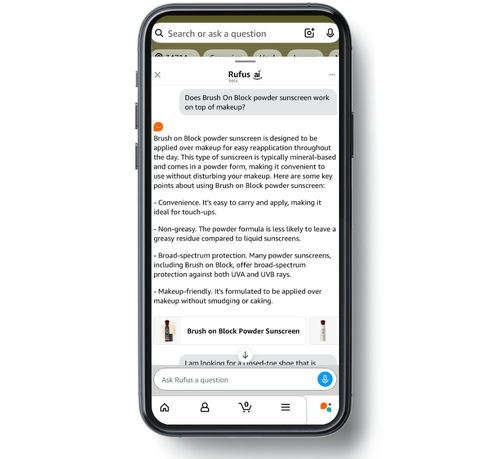 recommended by AI.
Our Catalog Manager recently wrote a couple in-depth articles that explain what this looks like in practice:
- How to Build a Product Catalog Amazon’s AI Actually Trusts
- Amazon’s AI Search Ranking Algorithm: 3 Listing Examples
The good news is that 90% of what high-quality brands are already doing won’t need to change. In other words, there is no need to panic or completely redo listings. If your brand already has a strong catalog foundation, that will do a lot of the heavy lifting for you.
Looking Ahead: How AI Search Changes Product Content Creation
As AI adoption grows, brands should focus more on a “spoken word” approach to content rather than traditional keyword targeting/stuffing. Just because you include a high-purchase intent keyword in your product title or description does not guarantee Alexa for Shopping recommending it to shoppers – especially if it is poor quality (has bad reviews, missing data, lack of educational information, outdated or missing imagery, etc.).
The key takeaway is this: Quick fixes to your product listings will not guarantee AI visibility. The brands that invest in complete product data and high-quality content across all listings are the ones that will capture AI-driven market share.
Navigating Unpredictability in the Amazon Buy Box
Starting in mid-to-late Q3 of 2025, our team began noticing the algorithm for the Amazon buy box change.
Historically, Vendor Central (VC) brands were consistent winners of the buy box, but this is no longer the case. What we’re seeing now is the buy box often switching from VC to Seller Central (SC) if doing so proves more profitable for Amazon.
Amazon is also switching buy box winners more frequently between Prime and non-Prime shoppers, presumably based on product location and cost to service. While we’ve always seen minor fluctuations, consistency of the buy box is now as unpredictable as ever.
We first talked about this trend in our Amazon 2025 Earnings Report article; If Amazon can make more money via the third-party seller (3P) referral fee, it will “give up” the buy box to them.
This surprising algorithmic shift makes business feel less predictable on Amazon, mainly for those on VC or with many sellers in a 3P model. It is now more important than ever for VC brands to ensure profitability at the retail price and heavily control and manage resellers.
We may continue to see this lead to significantly more variation across different regions and users. Seller Central brands should closely monitor listings on a case-by-case basis.

The New, More Stable Ecommerce Landscape as Tariffs Settle
Premium brands have been battling the ramifications of the highly disruptive 2025 tariffs for a while now. Last year, we saw consumers drift toward cheaper, entry-level, direct-import products while VC brands especially took the financial “hit” of absorbing tariffs on their end.
Despite the ongoing complexities of tariffs in the U.S. marketplace—including the recent Supreme Court ruling striking down some tariffs—we are bullish on the remainder of the year. Things are already much calmer than they were this time last year, and we expect this return to normalcy to continue throughout the remainder of 2026. We can now better plan for a stable and hopefully much more predictable rest of the year.
Conclusion
The macro environment on Amazon has never been more complex, but there are still many opportunities for brands to leverage and grow on the marketplace. Focus on your specific market position and competition rather than relying on general Amazon ecommerce growth to drive significant or sustainable revenue for your brand.
We are also seeing marketplace competitors like Walmart.com and Target.com becoming more influential for certain categories – especially grocery, home, and consumer electronics. If your brand is in a similar category and has only focused efforts on Amazon, it may be worth considering whether expansion is worth the investment. We have a resource here explaining certain factors to consider when expanding into a new marketplace. You can also reach out to our team for a custom recommendation!
In closing, we know that navigating Amazon’s ever-changing algorithm and investing in the most impactful strategies is easier said than done. That’s where Brandwoven comes in. Our full-service agency will review your current catalog and marketplace challenges to help decide the best path forward for your brand.