Digital Merchandising
Multi Marketplace Management Listing Strategy

Catalog Audits

Strategic Multi Marketplace Product Management
Uncover Missed Optimization Opportunities
Content Upgrades and Audits
Proper Attribution Set-Up
Category Selection for Stronger SEO
Learn from Us
Multi Marketplace Synchronization: Managing Consistency with Platform Optimization
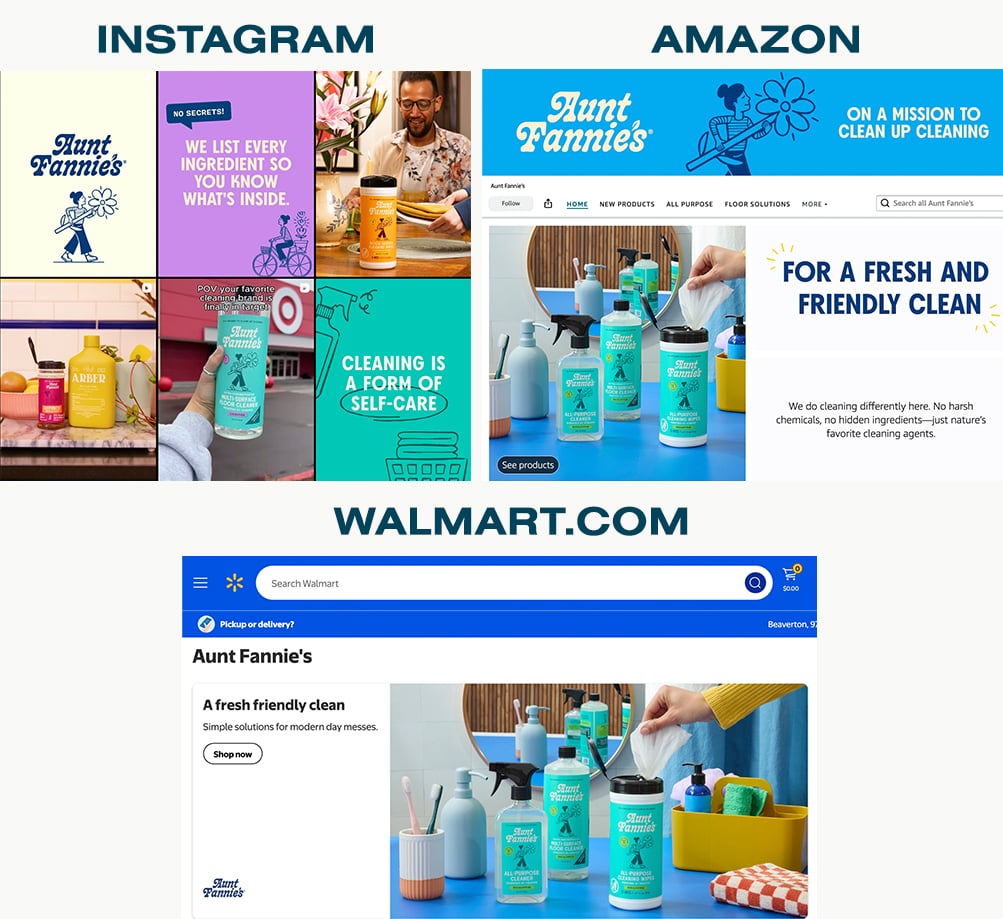
Multi Marketplace Synchronization: Managing Consistency with Platform Optimization
Managing listings across multiple marketplaces requires sophisticated content optimization that maintains brand integrity while respecting platform-specific requirements. Our multi marketplace management framework maximizes performance without creating operational chaos:
Title Optimization by Platform: Amazon product titles demand keyword-dense construction with brand, product type, key features, size, and quantity while staying within limits. Walmart SEO instead rewards concise titles (less characters recommended) with front-loaded primary keywords for maximum conversion impact on the search results page. Regardless of which platforms you’re selling on, we’ll create platform-specific titles that optimize for each individual algorithm while maintaining premium product positioning.
Bullet Point Strategy: We typically recommend longer bullet points on Amazon while Walmart marketplace limits bullets to less characters. Working with each platform’s limitations, we ensure your product listing bullet points include detailed feature explanations and product benefits & specifications – in addition to keyword optimization. We also align voice & tone with customer emotions (eg: Chewy shoppers are pet parents while sports & outdoor products on Amazon should favor technical specifications). Our listing strategy adapts messaging to each platform.
Content Consistency and Auditing Process: We implement auditing systems that track content changes on your PDPs across marketplaces. This prevents inconsistencies that can confuse customers and dilute brand authority. And, when launching new products on these multi marketplace platforms, our management team will ensure synchronized updates across all accounts to maintain accuracy without creating bottlenecks.
Even when marketplace character limits, requirements, policies, and compliance requirements change (which can happen quite often), our team’s meticulous attention to detail and relentless approach at maintaining perfect listings on behalf of your brand means that you never have to worry about keeping up with what’s happening—because our team will do it for you.
Conversion-Driven Listing Architecture: From Impression to Purchase

Conversion-Driven Listing Architecture: From Impression to Purchase
Multi marketplace management requires understanding how customers interact differently with listings across platforms. Our listing strategy incorporates conversion rate optimization principles that transform product detail pages into high-performing sales assets.
Above-the-Fold Optimization: The first section of your product detail page determines most purchase decisions. We structure titles, images, variations, bullet points, and pricing to immediately communicate value propositions. We also know that Amazon customers focus on star ratings and review count, so we additionally prioritize positive review generation, like using Amazon Vine, to build trust with browsers.
Visual Hierarchy Strategy: Image quality dramatically impacts conversion rates. Following platform requirements for main images, we prioritize educational callouts and lifestyle images that tell your brand story in the remaining carousel slots. We help with infographics, sizing charts, and use-case demonstrations based on common customer questions.
Mobile-First Content Design: More marketplace purchases are occurring on mobile devices than ever before. Knowing this, we structure bullets with front-loaded benefits and use concise phrasing that quickly and accurately convinces shoppers to buy.
Customer Service and Reviews: Reviews, ratings, and how fast you respond to customers (and how helpful your responses are) can influence conversion rates more than anything else. That’s why our listing strategy includes review generation and customer Q&A management. We identify common customer questions across marketplaces to proactively address them in listing content (especially in your digital merchandising assets like listing images and A+ Content), to reduce purchase hesitation. We additionally support responding to customer inquiries as quick and professional follow-ups are crucial. If customers don’t hear back from you within 24 hours or they receive an off-putting or unhelpful response, they’ll jump to a competitor’s product instead. We ensure that your brand appears respectful, timely, and accommodating – all the time.
A+ Content & Brand Story: Brand-registered sellers get access to enhanced content modules. Our team designs A+ Content layouts that guide customers through product benefits, comparisons, and common questions – while promoting your unique brand story and differentiators in the process.
Variation Structure & Bundling Strategy: Simplifying Complex Product Families

Variation Structure & Bundling Strategy: Simplifying Complex Product Families
Effective multi marketplace management requires sophisticated variation architecture that simplifies customer decision-making while maximizing algorithmic benefits. Our variation strategy transforms complex product catalogs into intuitive shopping experiences.
Parent-Child Relationship Optimization: We structure variation families that group products logically (size, color, scent, pack quantity) to create seamless customer experiences. Proper variation structuring consolidates reviews across child ASINs, accelerating social proof for new variations. A poorly structured family creates customer confusion and splits reviews.
Bundle Strategy Integration: Strategic bundling increases average order value and creates competitive differentiation. We identify high-performing bundle opportunities based on purchase patterns (which products customers frequently buy together) and create virtual bundles or multi-packs that drive incremental revenue while improving inventory efficiency.
Frequently Asked Questions
What size catalogs do you manage?
Brandwoven is equipped to manage catalogs of any size. From 1 SKU to 4,000+ products under one brand account, we are ready to streamline your large catalog, grow your current catalog, or optimize your currently listed products across multiple marketplaces.
Who will manage my catalog at Brandwoven?
Each account receives the service of an Account Director, Client Success Manager, and Client Coordinator. Our team will review your account daily and focus on improving the different aspects of your business: strategy, sales, account health, and stability.
What if I just need a catalog audit or one-time optimization?
We offer complimentary catalog audits that identify missed opportunities – like poor variation structure, low-quality imagery, or lack of SEO-optimized copy. Many of our clients have started with audits then transitioned to ongoing multi marketplace management with our team full-time. There’s greater value in continuous optimization with a full-time partnership, but we can also step in short-term, if preferred. Reach out to us for an audit or to explore how we approach catalog management full-time.
How do you approach brand consistency across marketplaces while optimizing for each platform?
We work with you to establish brand-approved messaging and guidelines, then create platform-specific variations that respect each marketplace’s algorithm requirements and character limits. Your core value proposition remains consistent, but title structure, bullet point hierarchy, and keyword integration adapt to platform-specific best practices.
How do I know if my product copy needs a refresh?
Brands should update product copy if they’ve been struggling to grow organic ranking and sales.
Brandwoven recommends utilizing every content type and opportunity that marketplaces offer to sellers, such as leveraging SEO keywords, using all bullet points, providing detailed copy that explains product benefits, and addressing any common customer complaints or questions that arise during the discovery phase.
It’s also important to note that marketplaces like Amazon host popular tentpole events throughout the year, such as Prime Day, and updating product page copy to resonate with sales events and other seasonal moments can drive further product visibility.
It’s crucial to be strategic about product copywriting. Updating product copy periodically can help to continuously optimize the listing page and ensure consistent and long-term growth.
How does Brandwoven ensure the accuracy and consistency of our product data across all listings and marketplaces?
Our expert catalog team monitors your listing accuracy through a weekly listing audit using a combination of software and manual checks to validate that our intended optimized content matches on the PDP. We can tailor the frequency of the audits or prioritize a specific set of products to audit that makes sense for your company’s needs. Not only do we audit the live PDP, but we audit the backend of the listings to ensure Amazon is holding onto the correct info. Our audit process works for multiple international markets as well.
Can catalog monitoring improve my search rankings?
Yes, by ensuring your listings are accurate, complete, and optimized with relevant keywords, catalog monitoring can improve your search rankings and increase product visibility.
Do you research SEO when creating A+ Content and listing images?
We do full SEO keyword research before any creative project and will collaborate with your brand to include top-searched customer keywords along with specific brand messaging.
We use any keywords that are not included on the listing in the backend of Amazon and for A+ alt index.
How long does new digital merchandising take to create and implement?
It really depends. Some of the largest catalogs we do can take over 9 months to overhaul, if there are several thousand SKUs. For catalogs that are 50-100 SKUs, the process usually takes 2-6 months. But even after a catalog overhaul, we are never finished; we always look for the competitive edge to represent the brand better and drive more sales.