With Amazon’s recent announcement that Prime Day 2026 will be moving from its traditional July timeframe to late June, brands selling on Amazon are suddenly operating on an accelerated timeline.
Internally, our agency is already having crucial conversations with clients to ensure everything is buttoned up in time for this peak tentpole event.
A condensed runway means there is absolutely no room for guesswork in your Amazon advertising strategy. If you want to maximize your returns leading up to, during, and post-Prime Day, you need to rely on the deepest data available.
Enter Amazon Marketing Cloud (AMC). While most advertisers rely strictly on the standard ad console, AMC allows brands to look far beneath the surface.
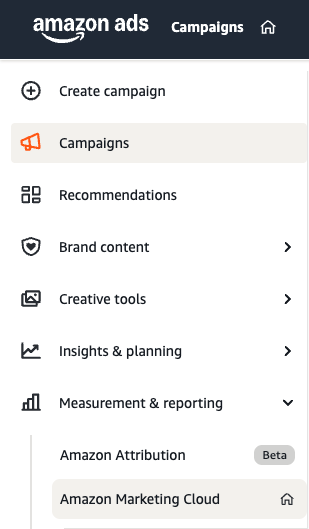
However, we consistently hear a major pain point from brands and even large agencies: the sheer complexity of AMC is overwhelming. With dozens of different marketing reports available, the most common question we hear is, “Where do I even start?”.
This guide is designed to cut through that complexity. Instead of trying to master dozens of reports, we are going to focus on four essential AMC reports you need to integrate into your Prime Day marketing planning. We will break down exactly what these reports are, how they work, and how you can leverage them to build a data-driven Amazon advertising strategy for June.
1. Time to Conversion Report
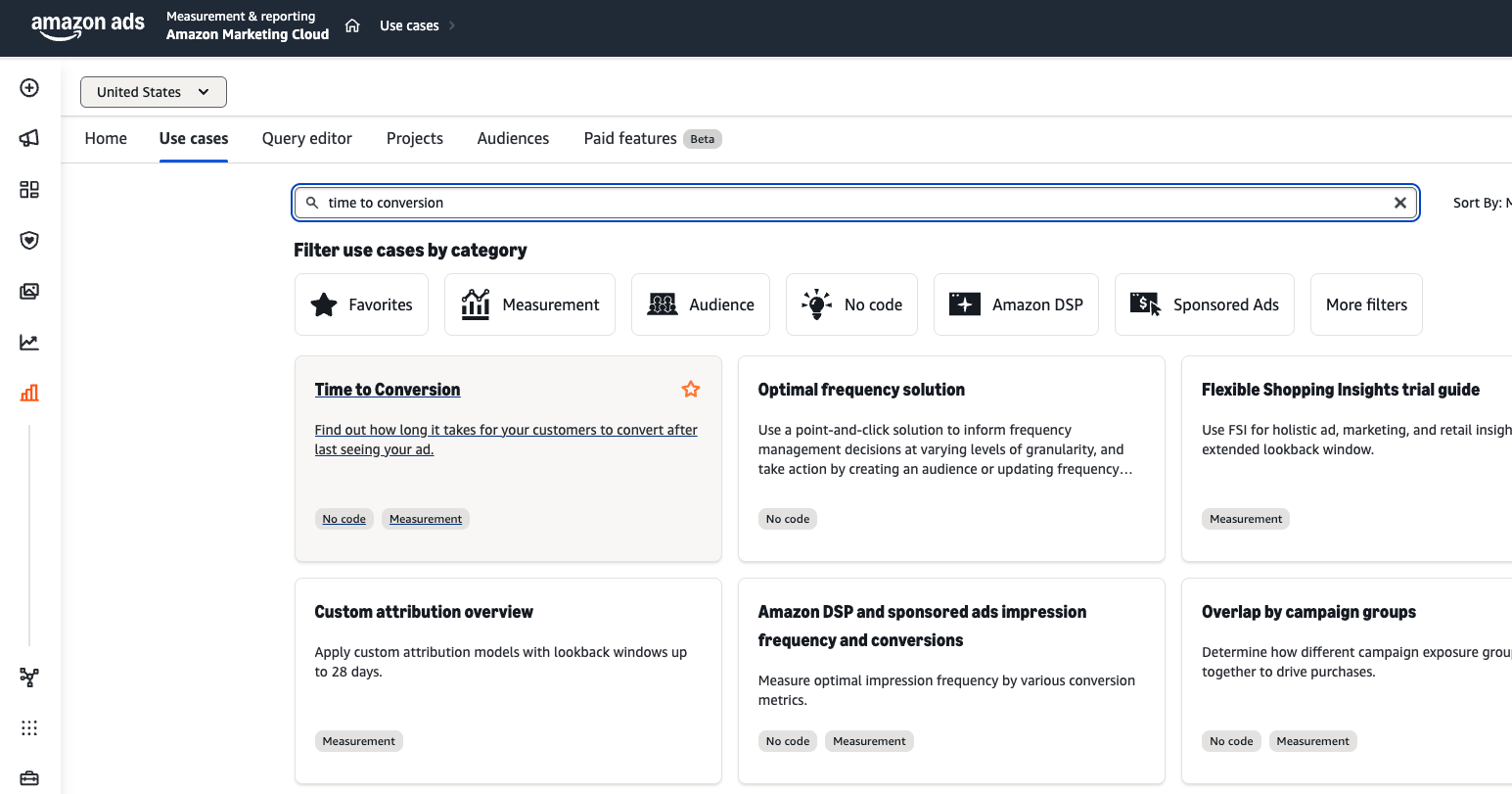
What is the Time to Conversion Report in AMC?
The Time to Conversion report tells you exactly how long it takes for your customers to have an attributed conversion after last seeing your ad. In this query template, the time to conversion metric is broken down into seconds, minutes, hours, and days, providing granular visibility into your customers’ buying cycles.
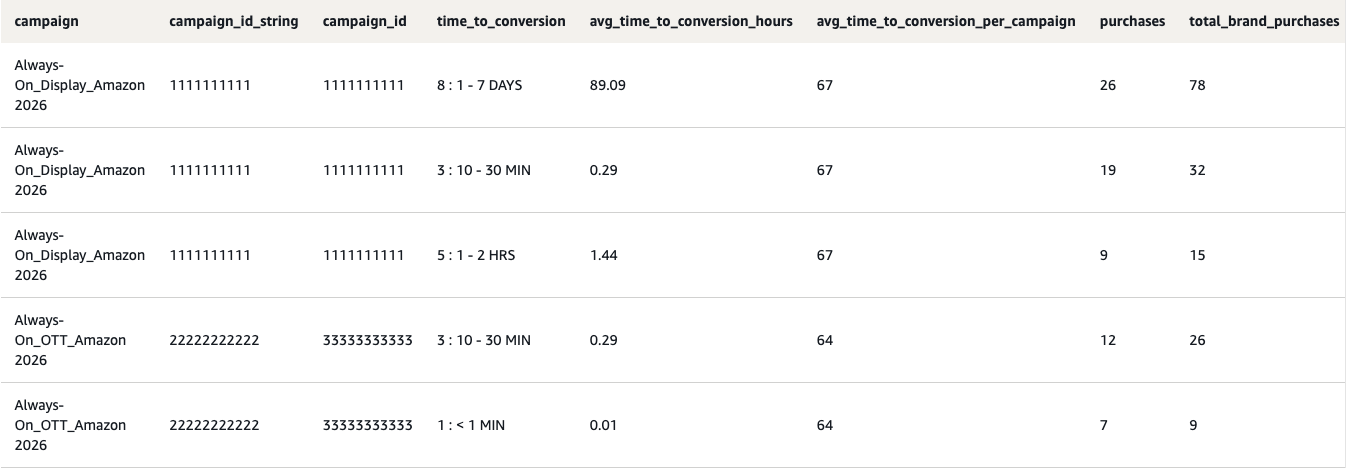
How is this Report Useful?
Different product categories require vastly different consideration periods. For example, if you are selling a low-cost Consumer Packaged Goods (CPG) item, the time to conversion is typically lightning-fast, taking just one to three days. Conversely, a category like apparel usually requires much more time and consideration before the consumer ultimately purchases the product. Getting a clear understanding of this time period is incredibly helpful for adjusting the duration of your campaigns and promotions to maximize sales.
How To Leverage This Report for Prime Day
You can use this report to work your Amazon Prime Day advertising strategy backwards.
Let’s look at an extreme case: suppose your Time to Conversion report reveals that it takes 7 to 10 days for your consumers to convert. If we know Prime Day is occurring in late June (e.g., June 22nd), you cannot wait until the week of the event to start aggressively advertising. You must front-load your Search and DSP (Demand Side Platform) campaigns by the first week of June at the latest.
Hitting consumers with an advertisement exactly when their individual time-to-conversion window begins ensures that when Prime Day arrives, they are ready to buy.
2. Path to Conversion Report
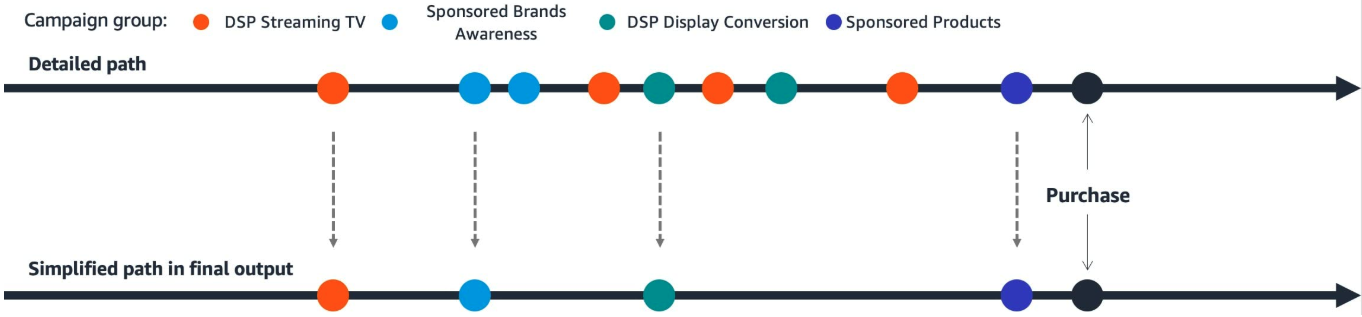
What is the Path to Conversion Report?
Often hailed as the most popular report within AMC, the Path to Conversion query enables you to identify the most popular sequences of touchpoints your customers took before making a purchase. It returns data on the campaign paths users took, the number of path occurrences, and performance metrics associated with each path, such as impressions and total cost. The report tracks the timing and order of the first impression by each campaign group—for example, showing if a user saw a DSP ad, then a Sponsored Brands ad, and finally a Sponsored Products ad.
How is this Report Useful?
If you only look at conversions through the standard Amazon ad console, you are only seeing “last touch” attribution, which heavily skews your data. In the example above, the standard console would make it look like Sponsored Products campaigns are driving all of your success. However, AMC’s Path to Conversion report reveals the true impact of mid and upper-funnel ads. You might discover that a DSP ad or a Sponsored Brands Video ad initially attracted the customer, even if the final Sponsored Product ad captured the sale.
How To Leverage This Report for Prime Day
Understanding your true path to conversion is vital for proper media mix modeling and budget allocation.
For an Amazon advertising team preparing for Prime Day, this report dictates exactly where you need to invest your budget.
Even if mid-to-upper funnel channels like DSP and Sponsored Brands show a lower immediate Return on Ad Spend (ROAS), this report might prove that they are the essential touchpoints that start the consumer journey.
By identifying these multi-campaign paths, you can allocate your Prime Day budgets to ensure your upper-funnel campaigns are sufficiently funded to feed your high-converting, bottom-of-funnel ads.
3. Cross Product Association (Cross-Purchase) Report
Cross-purchasing refers to when customers buy multiple related products from your brand. This report identifies the most commonly purchased ASIN pairs (the “lead” ASIN and the “follow-up” ASIN), the time gap between those purchases, and segments the data by new versus repeat buyers. It calculates critical metrics like the average number of days between purchases, total cross-purchased users, and assigns a rank to your best-performing product pairs.
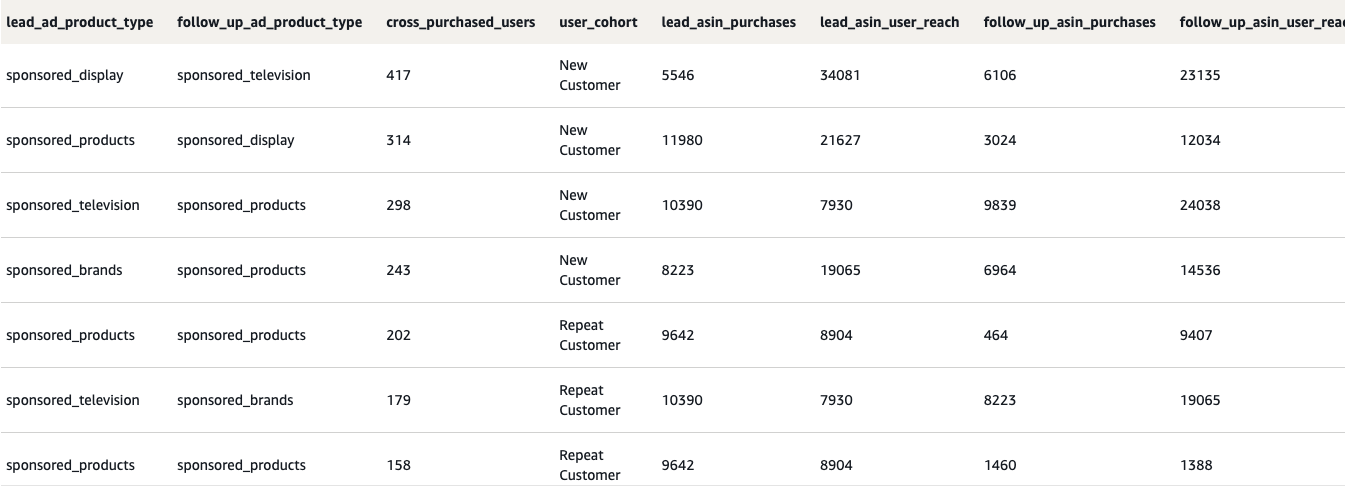
How is this Report Useful?
This report essentially highlights your “gateway” products. It proves, with hard data, that if you advertise Product A, a significant portion of consumers will naturally go on to buy Product B.
It takes the guesswork out of product recommendations, giving customers a better understanding of your brand’s catalog and quality while highlighting actual, data-backed cross-sell opportunities.
How To Leverage This Report for Prime Day
The cross-purchase report is a goldmine for data-driven virtual bundling and upselling strategies. Let’s walk through an example of how to leverage this for a brand that sells outdoor smokers:
- Virtual Bundles: By looking at AMC, we could see that consumers who bought a smoker had a high propensity to subsequently buy brisket charcoal. For Prime Day, you can use this data to create a highly relevant virtual bundle (Smoker + Charcoal).
- Retargeting & Upselling: If a customer only buys the lead product (the smoker) during Prime Day, you can look at the average number of days between purchases metric to know exactly when to serve them a retargeting advertisement for the follow-up product (the charcoal). Once they buy the charcoal, you can serve them yet another ad for a Subscribe & Save auto-replenishment. Alternatively, you can use this report to confidently introduce customers to a less expensive, entry-level item during Prime Day, knowing the exact likelihood of upselling them on a higher-priced item later.
4. Search Term Analysis Report (Keywords to Purchase Path)
What Does This Report Do?
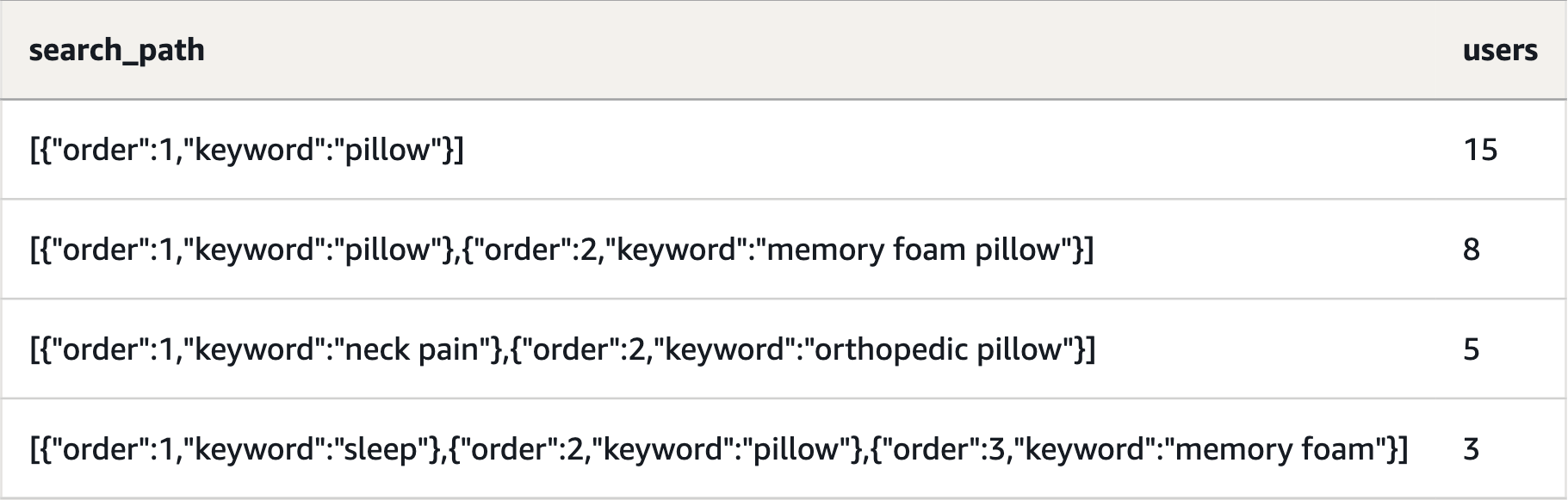
This AMC report helps marketers understand the sequence of targeted keyword interactions shoppers engage with before converting.
How is this Report Useful?
This report provides the entire sequence of keywords that led to a conversion, so brands can use it to discover which keywords were used earlier in the purchase journey (to target in awareness campaigns) and which were used later (for conversion-focused campaign targeting).
The report also includes how many users followed that exact keyword string before converting, which allows brands to see which journeys were the most common and re-focus ad budget to those.
Don’t Let AMC Overwhelm Your Amazon Prime Day Strategy
There is no denying the power of Amazon Marketing Cloud. However, as we mentioned earlier, many brands simply get paralyzed by the sheer volume of data. Logging in to see a laundry list of complex SQL queries and 30+ marketing reports is daunting.
Our strongest recommendation is to approach AMC with one very specific goal. Don’t try to understand everything at once. Distill your Prime Day goals down to one question: Are we trying to figure out our New-to-Brand customer acquisition rate? Are we trying to map customer lifetime value?
Start with that single question, utilize the out-of-the-box, no-code reports available in the AMC interface, and go down the path of solving it. Once you master the basics and answer that first question, you can add on the next one.
Amazon Partners for the Long Haul
If you are a brand planning to participate in Prime Day 2026 and recognize the critical need for these insights but lack the internal bandwidth to execute them, you don’t have to navigate these strategies alone.
Partnering with a specialized Amazon marketplace management agency can transform AMC from a confusing database into your most powerful asset. We can handle the custom queries, interpret the data, and implement the precise, data-driven campaigns needed to scale your brand.
Prime Day will be here before you know it. Stop guessing, and let the data lead the way. Reach out to our agency today to start building your AMC-powered strategy.