Is your Amazon Brand Story just checking a box, or is it actually promoting your unique narrative to shoppers?
By now, most sellers know that the Brand Story module is available on Amazon product detail pages (PDPs). However, simply having the section published isn’t the same as using it effectively. For many brands, this real estate is often treated as an afterthought—a place to dump a generic logo and a slogan. But for the top-performing brands in your category, it is a strategic tool used to capture market share.
If you haven’t put effort into optimizing your Amazon Brand Story, you are likely losing ground to competitors who better understand consumer psychology. The data highlights exactly what is at stake:
- First impressions matter: According to the U.S. Chamber of Commerce, 55% of brand first impressions are visual. If your Brand Story relies on stock imagery or low-effort assets, you may be losing customers before they even read your copy.
- Trust drives margins: It is hard to compete on price alone. Fortunately, recent reports show that 87% of shoppers are willing to pay more for products from a brand they trust. A well-crafted Brand Story helps to build the credibility needed to justify a premium price point.
- Connection drives loyalty: The goal isn’t just one sale, but a lifetime of them. Research found that customers who feel an emotional connection to a brand have a 306% higher lifetime value (LTV) compared to those who are merely satisfied with a product.
In short, if your competitors are using their Brand Story to build connection with customers and you aren’t, they are winning repeat buyers and you are likely missing out on sales.
In this article, we’ll explain everything you need to know about Amazon Brand Story along with tons of great brand examples to get you inspired.
How Does Brand Story Work on Amazon?
Many people confuse Brand Story with A+ Content. Although both can be featured on an Amazon PDP, the Brand Story module is typically added right above or below the A+ Content in a section titled “From the brand.”
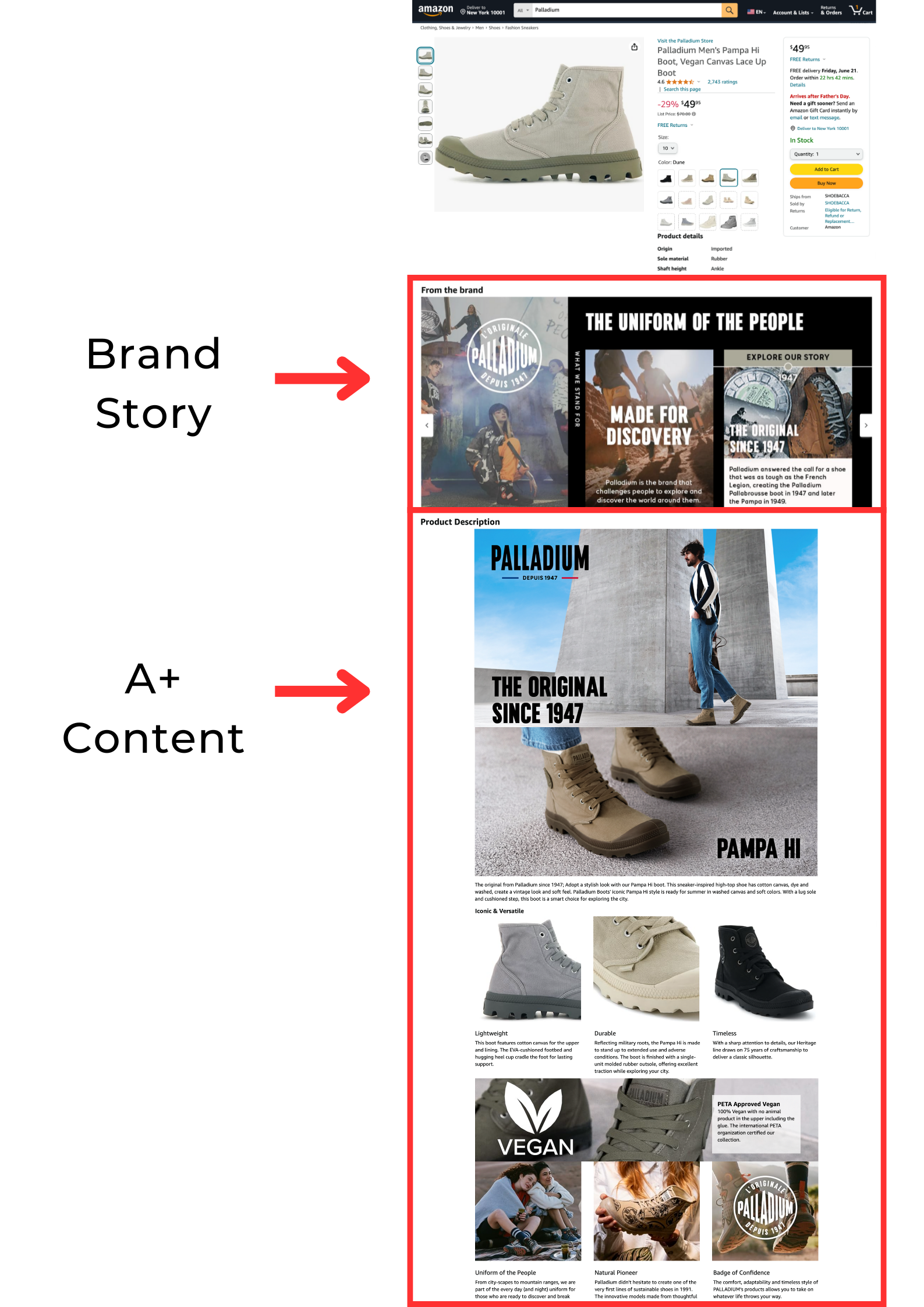
Brand Story allows you to highlight key elements of your brand and showcase other products in your catalog without needing to repurpose any of your existing A+ modules. In other words, the addition of Brand Story allows you to keep your A+ Content focused on the specific product.
How To Add Brand Story on Amazon
You must be registered through Amazon Brand Registry to gain access to the ability to add Brand Story to your PDPs.
To add Brand Story on Amazon, visit the A+ Content Manager:
- Seller Central: Go to Advertising, A+ Content Manager
- Vendor Central: Go to Merchandising, A+ Content Manager
What is the Purpose of Amazon Brand Story?
What makes the Brand Story section of your Amazon PDPs so valuable is that it’s a dedicated area, separate from your product information, to talk all about your brand. Here, you can share additional information with your customers, including benefits such as:
- Get consumers away from competition
- Offer a better shopping experience with your product pages
- Highlight your unique brand story, mission, and values
- Include brand-wide questions/answers and other information that may not naturally fit in the rest of your PDP copy
- Showcase additional products in your catalog
- Include lifestyle imagery that resonates with shoppers, helping them envision using your products
In summary, utilizing Brand Story is a great way to build up your brand narrative on Amazon, come across as authentic and genuine to customers, and improve the conversion rate on your Amazon PDPs.
Amazon Brand Story Templates & Examples
Although using the Brand Story component is a great way to engage shoppers, the way you go about it matters. Adding Brand Story at all is better than not having it, but if you use low-quality visuals or reiterate the same product information over and over again, it’s not going to be effective at driving sales or repeat buyers. In other words, the way your digital merchandising looks is crucial. Genuine investment in this area of your Amazon business is not merely a best practice, but a valid area to strategize, test, and iterate upon to make sure you put your best branding forward.
Start With Amazon Brand Story Templates
The Brand Story module uses pre-formatted cards within a carousel experience. To get started, envision what you want your final Brand Story to look like once published and which areas are most important to highlight, including:
- Common questions & answers
- Headline/slogan
- Main background image
- Secondary images for cards
- Explanatory body text
- Links to other Amazon PDPs or your brand store
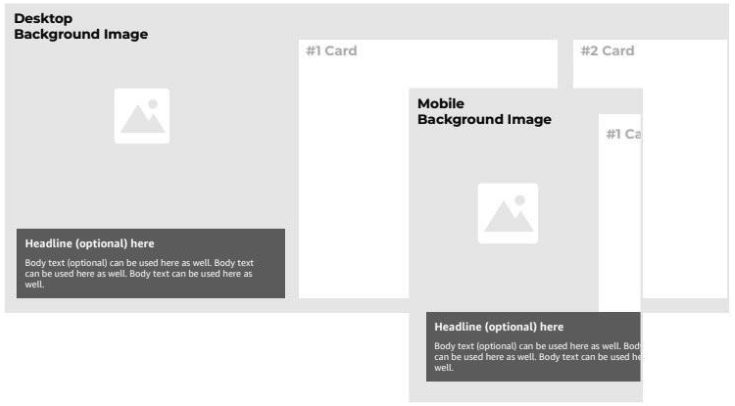
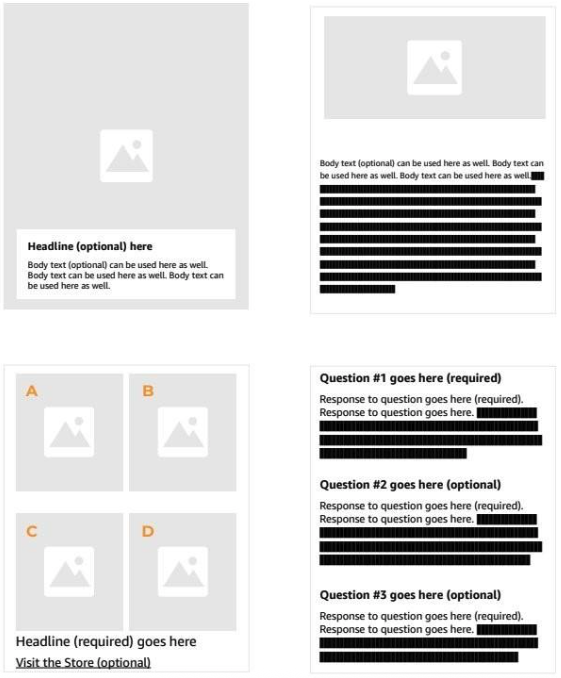
We’ve included some templates above to help you get started and Amazon also provides brand carousel modules in the backend of your Seller Central account.
Best Custom Amazon Brand Story Examples
Aside from the general modules to start building your Brand Story, here are some real-world examples from our Amazon client library that you can draw inspiration from:
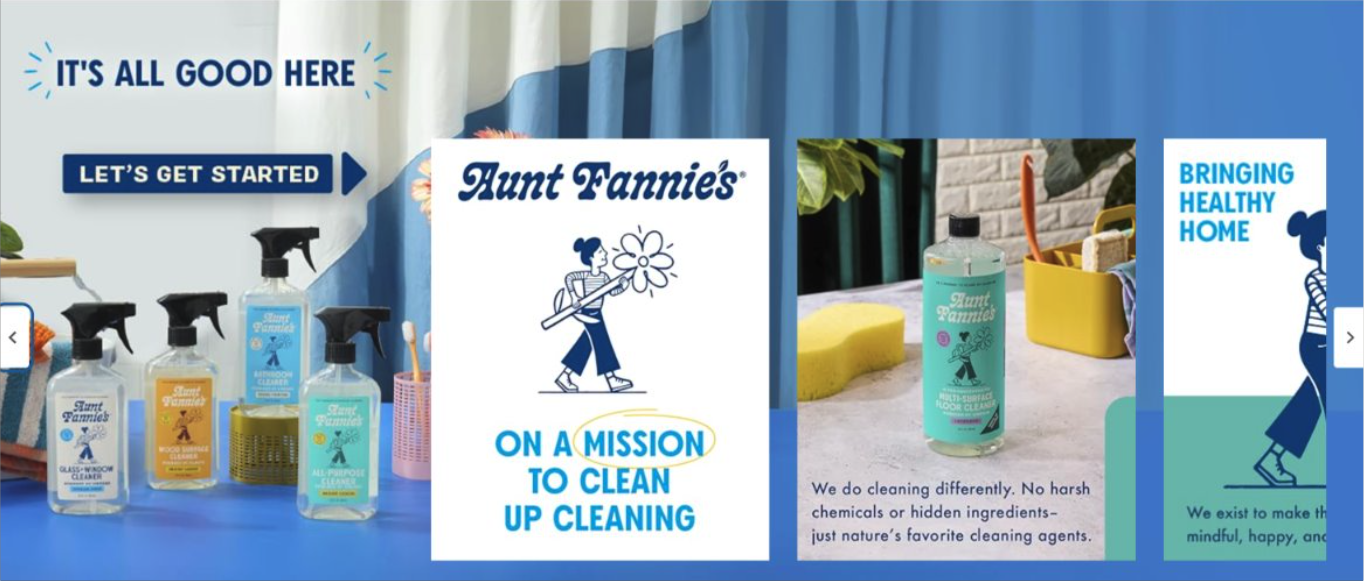
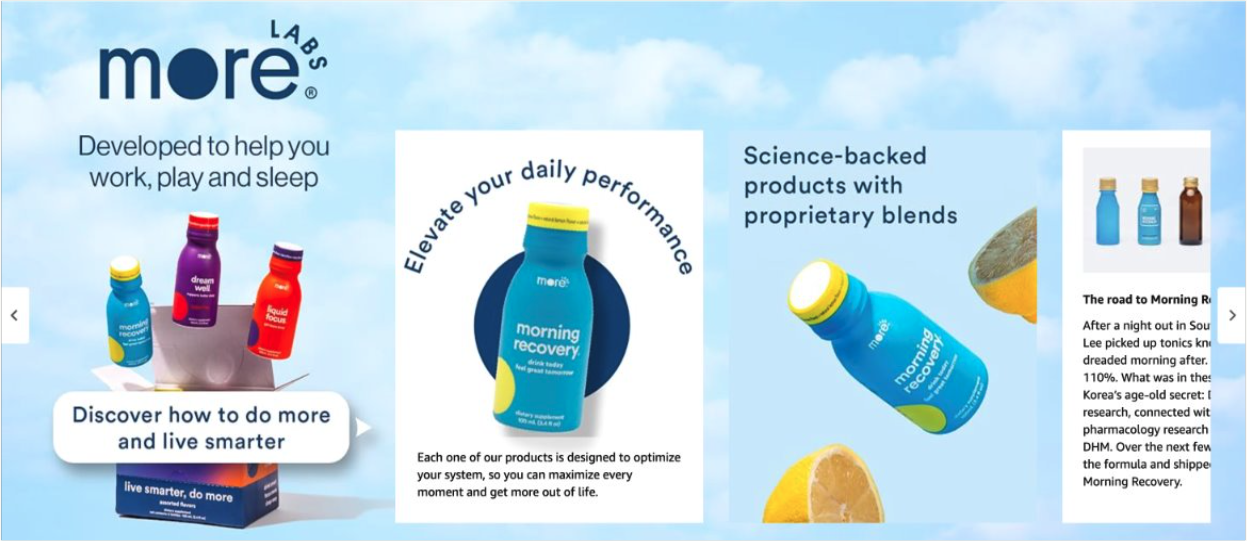

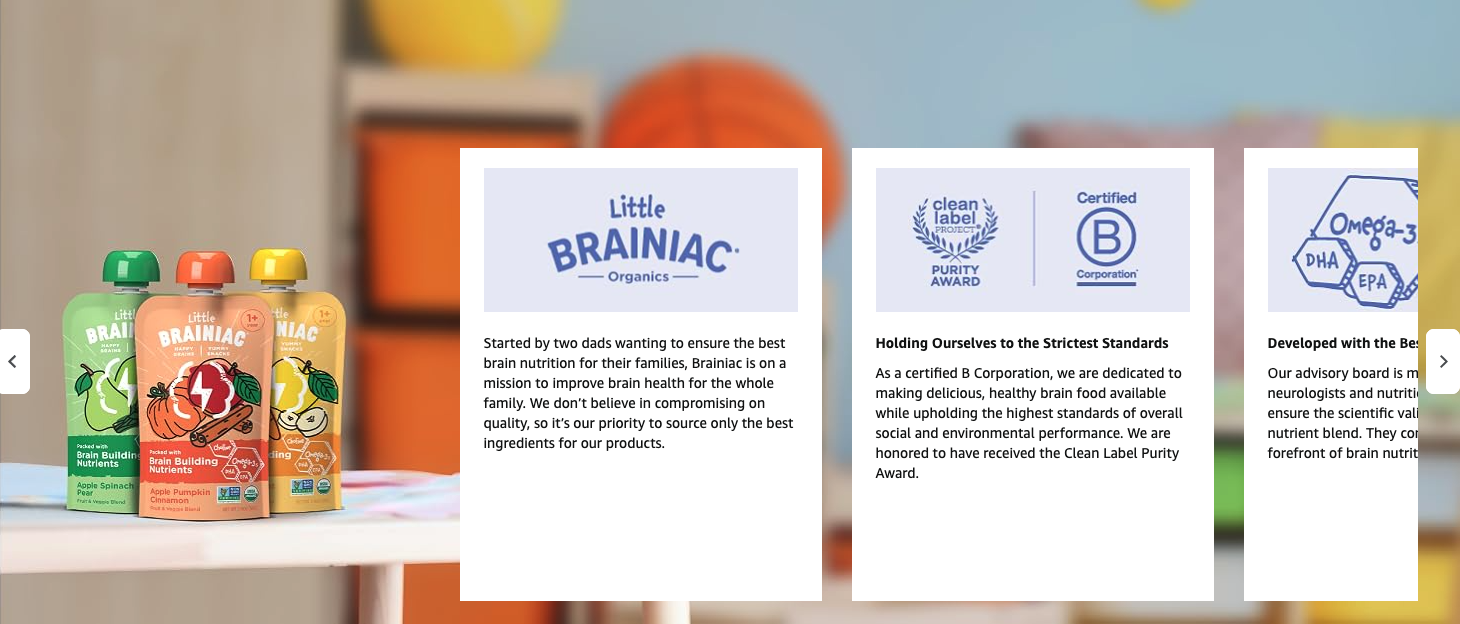

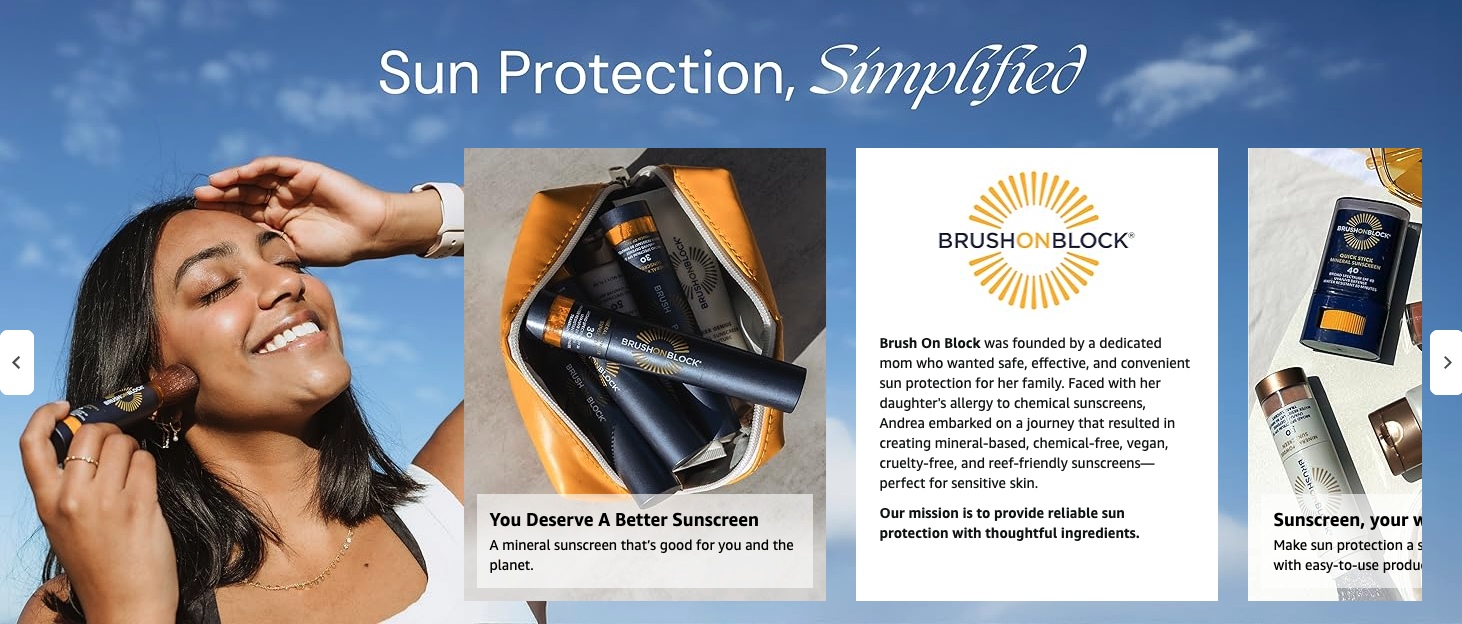
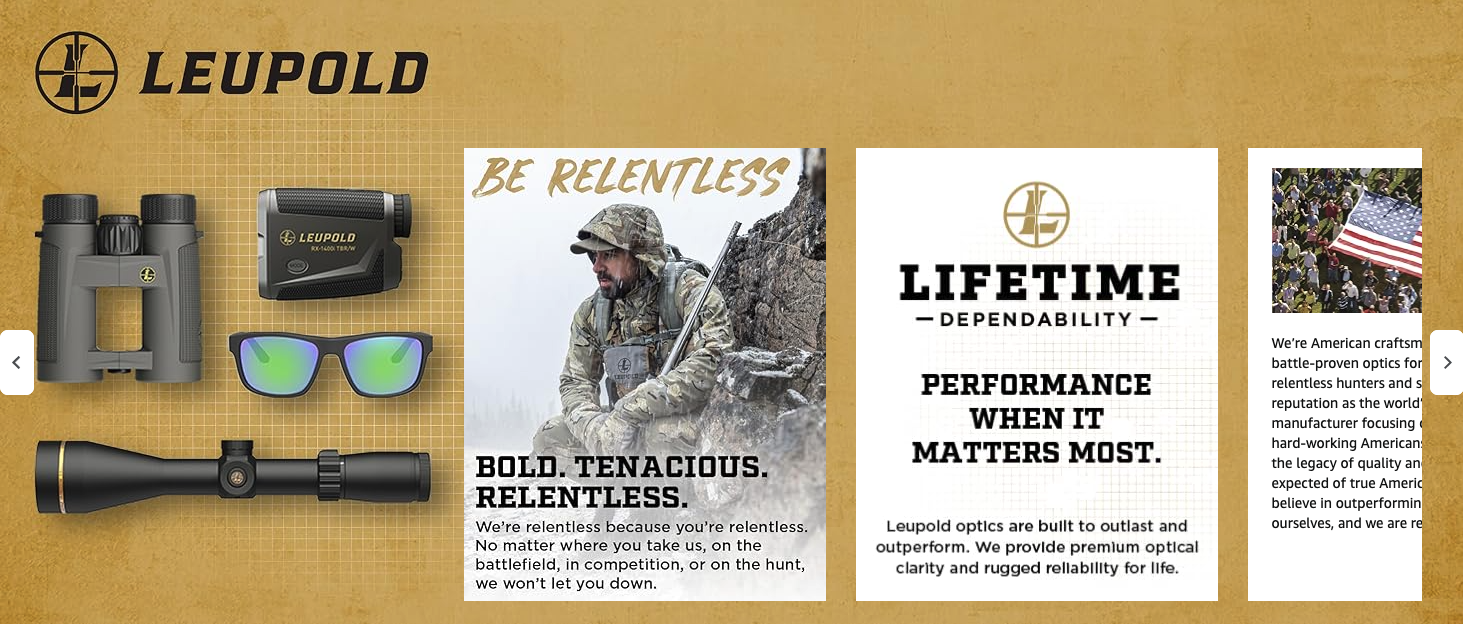
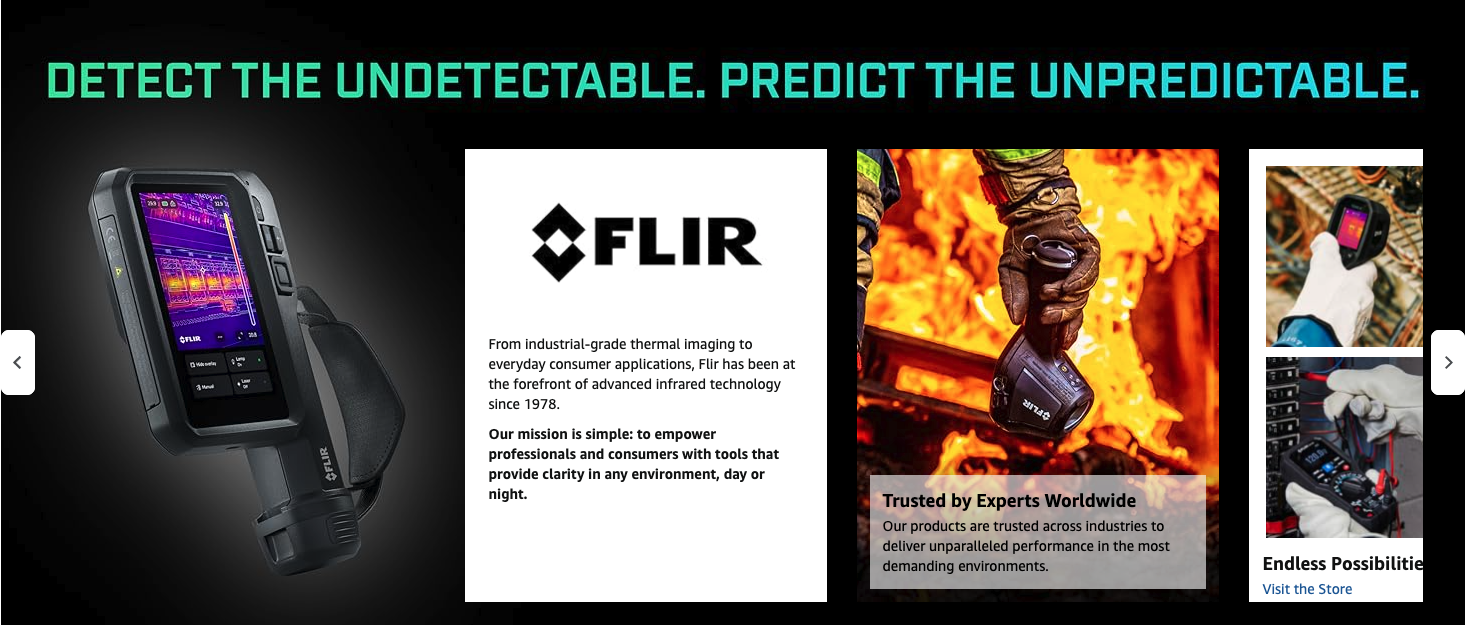

As you can see, each of the Amazon Brand Story examples above look completely different, reiterating how valuable this section of your PDP is for highlighting your unique branding and differentiating from competitors.
Strategies for Effectively Leveraging Amazon Brand Story
The Truth About Brand Story CTRs
Although leveraging Brand Story is always something we recommend sellers take advantage of, it’s also important to be realistic about how we’ve seen shoppers behave: few find themselves on a PDP and decide to scroll halfway down and click a small module to browse the rest of the catalog. Organic click-through rates (CTR) from Brand Story are historically low because shoppers are in a transactional mindset, not a browsing one. Don’t measure the success of your Brand Story by how many clicks it’s getting, but by whether it helps the current product convert better.
Leverage Sponsored Brands Ads to Push Traffic to Your Amazon Brand Store
Although we always recommend using your Amazon Brand Story to promote other products in your catalog, don’t rely on it as a primary traffic funnel to the rest of your listings (brand store). If your main goal is to actually get eyeballs on your Amazon brand store, we recommend additionally investing in Sponsored Brands ads. These paid placements are designed specifically to drive traffic to your store, bypassing the PDP entirely. The Brand Story module on your PDPs is simply there as a teaser.
Add Brand Story on Amazon to Differentiate from Competitors & Justify Price
If the CTR on Brand Story is low, why even bother? The answer lies in validation. For generic, low-cost items, customers buy based on price and reviews and typically don’t care about the brand’s origin story. But for premium brands, Brand Story acts as a critical trust driver and area of differentiation. If you’re selling expensive items, customers need to trust the quality before they are convinced to spend that much money. This is where Brand Story steps in: It doesn’t need to get clicks but just look professional and reassure customers that your brand is legitimate so that they feel safe clicking “Add to Cart”.
How Brand Story Ties into Off-Amazon Advertising
High-quality Brand Story is also especially vital if you are running off-Amazon advertising (like driving traffic to your Amazon PDPs from your company’s social media or Google ads). For example, shoppers who arrive on your PDP from a curated Instagram ad will expect a cohesive brand experience. If, instead, they land on a barren Amazon listing, then the disconnect can kill the sale. In cases like this, optimized Brand Story ensures your Amazon PDP lives up to the promises already made in your external ads, validating your premium price point and giving shoppers the confidence to convert.
Conclusion: Add Creative Brand Story for Successful Amazon PDPs
Although Brand Story is a common best practice for registered brands on Amazon, the way you go about using it is important. Simply dropping in old assets and your logo isn’t going to do much. By now, most sellers are aware of Amazon Brand Story, and many have already published a module to their listings. But as we have seen, presence is not the same as performance.
The difference between a generic listing and a category leader lies entirely in how you execute this space. It is not enough to simply fill the template. You must curate a visual experience that validates your price point and reassures premium customers. Success with Brand Story isn’t measured by how many people click on it, but by how many people stay on the PDP and convert – because they trust what they see. In closing, stop treating Brand Story as a checklist item and start using it to create an experience to connect with your potential customers.
Key Takeaways:
- Include and expand on information about your company (educate customers about the history of your brand and your values). Brand building and authenticity helps build trust with consumers, which is critical when deciding which brands to purchase from on the competitive Amazon marketplace.
- Use Brand Story to enhance your product listings and optimize the PDP for conversion.
- Upsell shoppers by showcasing additional product lines.
- Distinguish your brand from competitors in your category.