Many D2C brands who previously only focused efforts on their ecommerce websites have now expanded to open, online marketplaces like Amazon and Walmart.
This growing popularity is largely due to the reality that Amazon specifically has an enormous share of the ecommerce market with over 50% of product searches beginning directly on Amazon (as opposed to a retailer’s site or even a search engine like Google). Add onto this the recent expansion of AI chatbots many of these marketplaces have adapted, and the shopping experience gets even more seamless for shoppers — not to mention fast store delivery and 2-day shipping.
If you work at an ecommerce brand, your team has likely already had this conversation. Should we be selling on Amazon? What about Walmart?
But the reality is that ecommerce channel expansion isn’t as easy as “the shoppers are there, so the sales will be too.” There’s a huge difference between simply setting up a selling account on Amazon or Walmart and actually seeing impressive revenue growth. It latter comes down to:
- What are the right marketplaces for you to be on based on your product and target audience?
- What resources does your team have available to manage multiple ecommerce channels simultaneously?
- Is there room in the budget to aggressively promote new products and drive traffic to marketplace listings?
- What are realistic results you can expect after moving onto a new marketplace?
This article will cover four considerations for marketplace expansion (including the cost of doing so), the logistics capabilities needed to succeed on multiple channels, and how to execute a successful expansion from Amazon to Walmart when it’s a good fit for your ecommerce brand.
4 Considerations for Selling on Amazon vs. Walmart Marketplace
1. Customer Base & Platform Growth: Online vs. Physical Retail
Walmart’s online marketplace is much newer and smaller compared to Amazon’s. So, Amazon has earned a greater online market share compared to Walmart, but Walmart beats Amazon in terms of physical retail locations. If you’re just looking for ecommerce growth, it’s pretty obvious that Amazon is going to give you a stronger headstart than Walmart. However, if you already have your products in Walmart stores, utilizing their online marketplace is a strong addition to your existing sales efforts.
2. Products & Sales Potential: What Sells More on Amazon vs. Walmart?
Walmart’s own financial reporting heavily validates what we’ve experienced with our brand partners: Walmart’s ecommerce growth is deeply dependent on local grocery pickup and delivery. In the company’s 2025 annual earnings report, Walmart highlighted a 60% year-over-year growth for “fast delivery” (anything under three hours). As mentioned above, this gives a massive advantage to brands on the marketplace that already have their physical products on Walmart shelves.
Personal care brands are the other sector we’ve seen succeed on Walmart.com, regardless of whether their products were available in-store. These products align well with what Walmart shoppers are looking for, unless they are at a premium price point. Generally, we’ve seen CPG brands successfully expand to Walmart, offering a new audience the ability to shop their products. However, the Walmart customer is price-conscious (similar to Amazon).
3. International Market Expansion: Reaching Beyond the U.S. Consumer
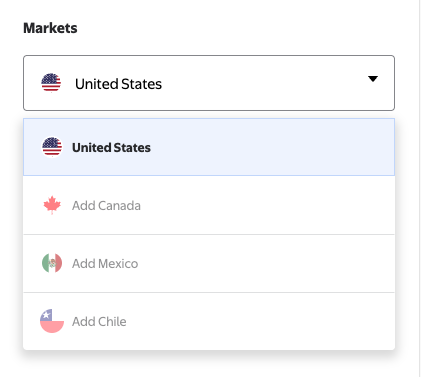
Through your standard U.S. setup, Walmart currently allows direct expansion into three international markets:
- Canada
- Mexico
- Chile
You do not need to create or log into entirely new accounts to sell in these regions. Simply use the “Market” feature within the Walmart Seller Center to access these and push your existing product listings into these new markets.
The logistical effort of Walmart expansion depends entirely on how your products are fulfilled:
- Walmart Exports: If you store your inventory in the U.S. using Walmart Fulfillment Services (WFS), eligible items are automatically made available to buyers in Canada and Mexico. Walmart handles the international shipping, customs, and duties. Note that Chile is not currently tied into this program, so any orders you receive through Walmart Chile via your U.S. account must be seller-fulfilled.
- Seller-Fulfilled: If you ship orders yourself from your own warehouse, you can still sell in these markets via your centralized dashboard. However, you are responsible for the heavy lifting: securing international shipping carriers, paying customs duties, and processing international returns.
Compared to Amazon, Walmart marketplace’s approach to international selling is pretty similar. WFS is like Amazon FBA and the ability to use one account is like Amazon’s North America Unified option (which allows sellers to easily expand into Canada, Mexico, and Brazil).
But before eagerly setting up your new international account, there is one important caveat to highlight: the amount of effort needed to manage each market. As stated earlier in this article, Walmart.com’s audience is still very small compared to Amazon, and the international markets have even less shoppers. Multiply that by the amount of effort that goes into managing numerous international storefronts, and the reality is that most ecommerce brands may struggle with profitability after channel expansion. Consider the effort versus impact before deciding to move forward.
4. Seller Fees & Winning the Buy Box
Below is a simple overview of what fees sellers can expect on Walmart vs Amazon marketplace. In summary, you only have to worry about two primary costs on Walmart: a category referral fee and, if you use their warehouses, a standard WFS fulfillment/storage fee. Keeping fees low (for now) is one way that Walmart is encouraging more brands to join its marketplace.
| Fee Category | Walmart U.S. | Amazon U.S. |
|---|---|---|
| Account Subscription Plan | $0 | $39.99/month |
| Referral Fee (Commission) | 8% – 15% (varies by category) | 8% – 15% (varies by category) |
| Fulfillment Fees (WFS vs FBA) | Straightforward fee based on weight, dimensions, and monthly storage | Complex tiers tied to product price & size (e.g., +$0.31/unit for items >$50) |
| Inbound Placement Fees | $0 | Additional fee unless shipped using ‘Amazon-optimized splits’ (up to +$0.72/unit) |
| Low Inventory Level (LIL) Fee | $0 | Penalty if supply drops below 28 days (applied at the specific child ASIN level) |
| Packaging Penalties | $0 | $1.51 – $4.04 extra per unit for bulky items not enrolled in Ships in Product Packaging (SIPP) |
Read more about each of the marketplace’s fees here:
Walmart: https://marketplace.walmart.com/pricing/
Amazon: https://gobrandwoven.com/resources/articles/amazon-2026-fees-breakdown-fba-referral-inbound-placement/
Pricing and the buy box are two other considerations that will impact your ecommerce profitability. Since both Amazon and Walmart customers are price-conscious, many times the cheapest product listed for available shipping will be the one promoted by their algorithms. Amazon and Walmart also “monitor” each other’s retail prices, along with your D2C site or anywhere else that exact same product is listed online for purchase, to aggressively price match against one another. This is also an important consideration when running discounts on your products, regardless of which platform the deal is active on.
So, Which Marketplace Should You Sell On?
For a long time, brands viewed Walmart as a secondary, “maybe we’ll get to it eventually” ecommerce channel. But as Amazon’s fees continue to compress seller margins, Walmart is emerging as an exciting, new, realistic expansion opportunity for many brands.
Here’s where you can expect to win on Walmart:
- CPG, Grocery, and Personal Care products: Walmart is, at its core, a grocery and everyday essentials giant. If you sell consumables, packaged goods, beauty, or health & wellness items, Walmart’s audience may be interested in buying them.
- In-Store Retail Presence to Multi-Channel Management: If you already have items inside Walmart stores, expanding to the online marketplace should be a no-brainer.
What Does an Expansion from Amazon to Walmart Marketplace Look Like?
If your product is relevant to customers on both marketplaces and your team’s resources and logistics capabilities allow you to expand, it is worth testing selling on both Amazon and Walmart. In most cases, we recommend brands start on Amazon then expand to Walmart later if the timing and product fit is right.

It’s unlikely that you are going to join Walmart.com and capture the same amount, or even half of, the sales revenue that you generated on Amazon right away. But if you have a relevant product, launching your Walmart account now is going to put your brand in a better competitive position versus waiting for the marketplace to capture more customers.
Walmart is actively trying to capture new brands right now. At least year’s Let’s Grow Seller Summit, Walmart announced a ton of new seller tools, including offering up to $75,000 in fee discounts to incentivize brands to onboard.
Action Items for Optimizing Walmart Marketplace Listings
- SEO & Product Visibility: Common search terms and target keywords can differ from one platform to the next. Adjust your product page copy and corresponding ad strategy according to the specific marketplace you’re selling on.
- Invest in a Strong Foundation: For emerging brands, Walmart is a longer-term investment, as it’s similar in effort to Amazon but with a much smaller customer base. As the platform grows, laying out a strong brand foundation is going to be key. Don’t let competitors get an earlier start that you will have to overcome later. This means proper listing set-up, compliant content, and maintaining high seller metrics are all areas to focus on during your launch.
- Analyze & Adjust Performance: Maintaining a multi-channel ecommerce presence is good for product visibility but requires extra effort for proper management. You can’t just do the same thing on both platforms and expect the sales to flow naturally. You must continually review each marketplace’s performance and adjust strategies as needed. Similarly, keep an eye out for any new marketplace policies, programs, or features that can impact your listings.